
28
2024
-
04
Enhancing Energy Efficiency with Passive Doors and Windows
Passive doors and windows have become increasingly popular in the construction and decoration materials industry as more and more people are looking for ways to improve energy efficiency in their buildings. These innovative architectural elements are designed to enhance insulation, reduce energy consumption, and create a more comfortable indoor environment.
One of the key features of passive doors and windows is their superior insulation properties. By using high-quality materials and advanced construction techniques, these doors and windows can effectively prevent heat loss in the winter and heat gain in the summer. This not only helps to lower energy bills but also reduces the carbon footprint of the building.
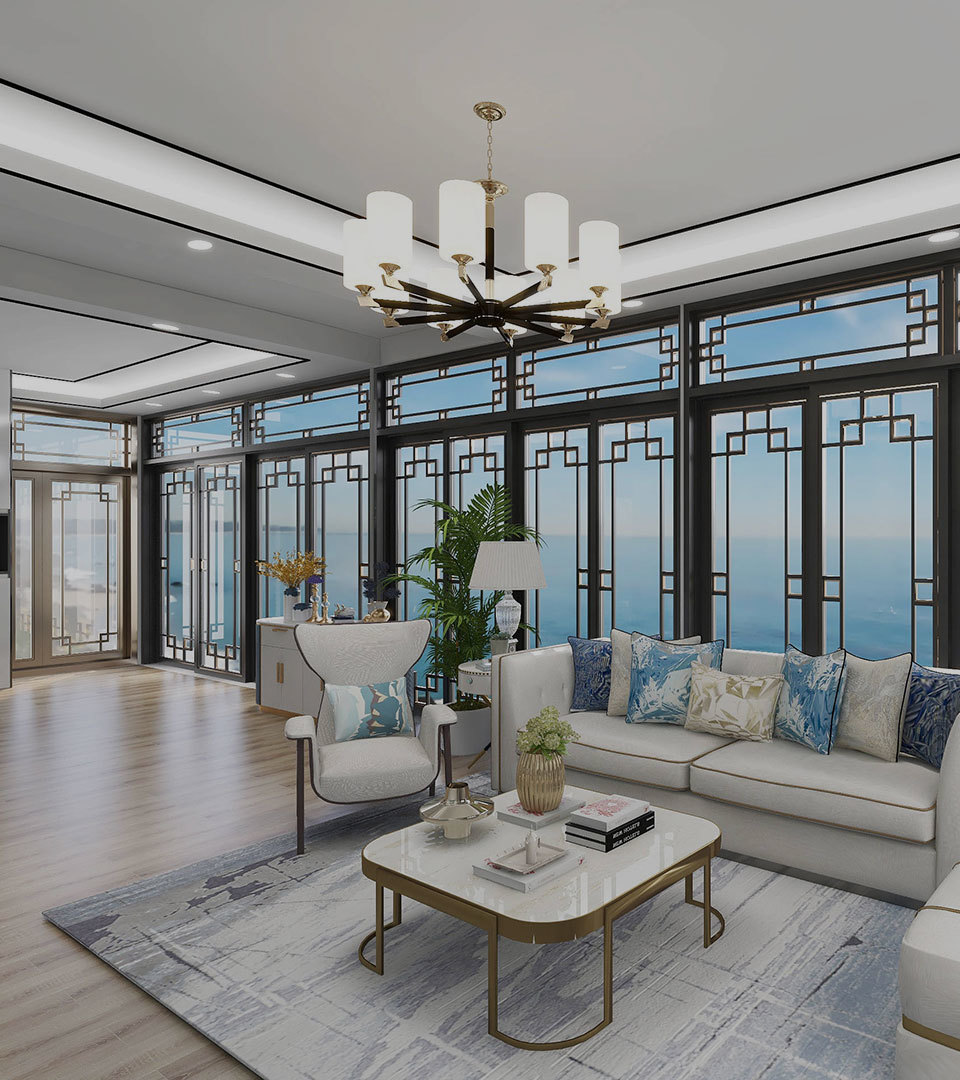
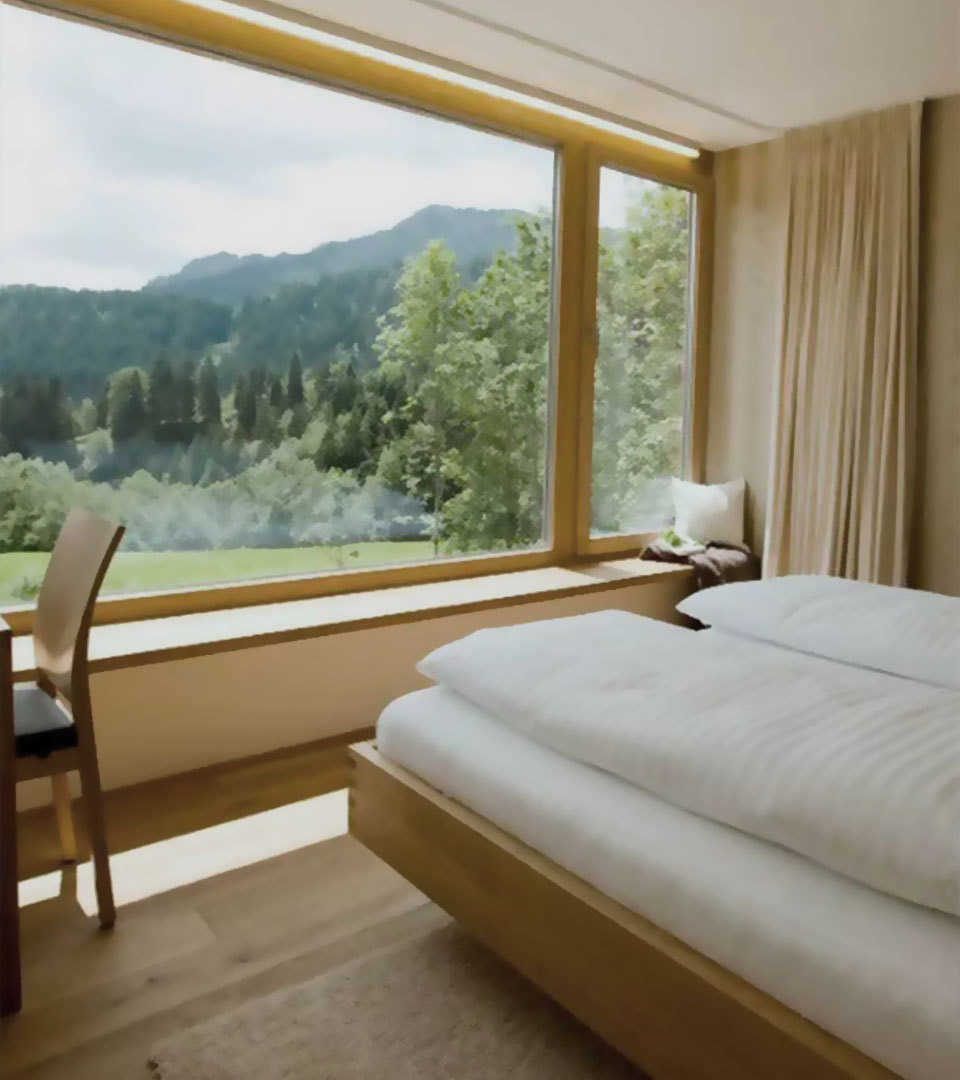
In addition to insulation, passive doors and windows are also designed to maximize natural light and ventilation. By strategically placing windows and doors, natural light can be brought into the building, reducing the need for artificial lighting during the day. This not only saves energy but also creates a more pleasant and productive indoor environment for occupants.
Furthermore, passive doors and windows are often equipped with advanced technology, such as low-emissivity coatings and multi-pane glass, to further enhance their energy efficiency. These features help to minimize heat transfer and block harmful UV rays, improving the overall performance of the building envelope.
Overall, passive doors and windows are an excellent choice for anyone looking to improve the energy efficiency of their building. By investing in these innovative architectural elements, you can reduce your environmental impact, save money on energy bills, and create a more sustainable and comfortable indoor space.
One of the key features of passive doors and windows is their superior insulation properties. By using high-quality materials and advanced construction techniques, these doors and windows can effectively prevent heat loss in the winter and heat gain in the summer. This not only helps to lower energy bills but also reduces the carbon footprint of the building.
In addition to insulation, passive doors and windows are also designed to maximize natural light and ventilation. By strategically placing windows and doors, natural light can be brought into the building, reducing the need for artificial lighting during the day. This not only saves energy but also creates a more pleasant and productive indoor environment for occupants.
Furthermore, passive doors and windows are often equipped with advanced technology, such as low-emissivity coatings and multi-pane glass, to further enhance their energy efficiency. These features help to minimize heat transfer and block harmful UV rays, improving the overall performance of the building envelope.
Overall, passive doors and windows are an excellent choice for anyone looking to improve the energy efficiency of their building. By investing in these innovative architectural elements, you can reduce your environmental impact, save money on energy bills, and create a more sustainable and comfortable indoor space.
passive doors and windows
News
Copyright © 2023 Shandong CHAMBROAD TIMBER Material Co., Ltd.
Business license